Smoke, pets and the previous owner
More Oak Lawn calls start with a smell than with dust. Someone buys a condo, moves in, turns on the AC, and there it is: old cigarette smoke, a cat that lived there for ten years, or a musty note every time the system kicks on.
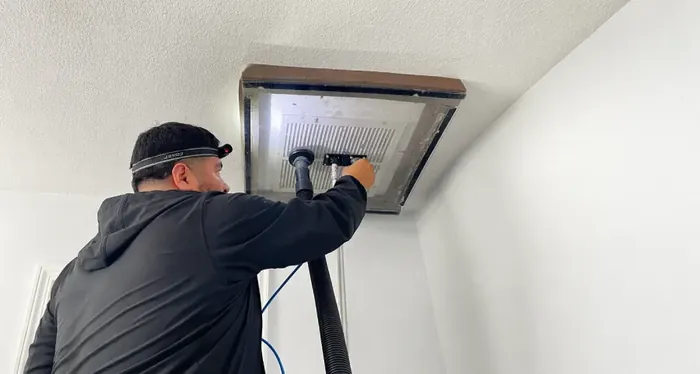
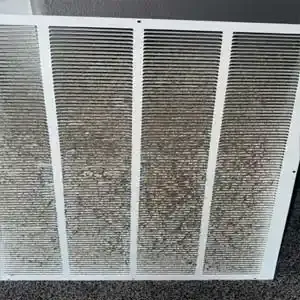
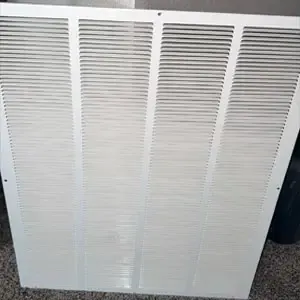
Here's the honest version. Cleaning the ducts removes what's inside the ducts: dust, hair, residue on the return side and the registers. It doesn't clean the drywall, the ceiling, the carpet or the air handler's coil, and smoke and pet odor soak into all of those. If the smell lives in the unit and not in the ductwork, we'll say so before you spend money on duct deodorizing and sanitizing. Sometimes the right order is paint and carpet first, ducts second.
A musty smell is a different problem. That's usually moisture at the coil or drain pan, and cleaning the ducts won't fix a pan that isn't draining. Coil and blower cleaning is the work that goes after it.
Tudor cottages in Oak Lawn Heights
Oak Lawn sits north of downtown and Uptown, roughly between Turtle Creek Blvd, Inwood Rd, Harry Hines Blvd and the Highland Park line. Cedar Springs Rd is the main strip, and Turtle Creek runs along the east side past Turtle Creek Park, the former Lee Park. Love Field is just to the northwest, which is why we get here fast from Midway Hollow.
Oak Lawn Heights is the largest single-family pocket. It was developed in the 1920s, annexed into Dallas in 1929, and is known for Tudor cottages with steeply pitched roofs. Those roofs look great and make for tight attics with low knee walls. The ductwork went in decades after the houses were built, so runs are often awkward and access is limited. Plaster ceilings are common. The crew takes grilles down by hand and works from the registers and the return wherever possible.
Condo buildings, high-rises and new townhomes
The city governs most of Oak Lawn through one planned development district, PD 193, and the result is density. Older apartment and condo buildings sit beside high-rises along Turtle Creek and new three-story townhomes on blocks that used to hold cottages.
Units in older buildings vary a lot. Some have their own closet air handler, some a fan coil, some were updated during a condo conversion. Shared walls mean shared air leaks, which is how a neighbor's smoke ends up in your return. New townhomes usually have two systems, the top one in a hot attic, and if the builder ran it during drywall finishing, fine white dust is sitting on the blower.
| Home type here | What we usually find | What we recommend |
|---|---|---|
| 1920s Tudor cottage | Tight attic, retrofit runs, plaster ceilings | Standard cleaning, grilles removed by hand |
| Older condo unit | Smoke or pet residue in the return | Cleaning; deodorizing quoted only if it'll help |
| New townhome, two systems | Drywall dust in returns, dusty upstairs blower | Clean the upstairs system first; second quoted |
| Home next to new construction | Fine grit on the supply registers | Better filter now, cleaning after the work ends |
Living with a construction fence next door
If you live here, you've probably had a fence and a dumpster next door at some point. Teardowns and new builds put fine dust in the air for months, and your return pulls it toward the filter. A filter that fits and gets changed often handles most of it. If dust is getting past the filter and blowing out of the supply registers, that points to a leak at the return or the filter rack. Our page on dust coming out of vents shows how to check.
For your own remodel, the EPA recommends sealing off supply and return registers and not running the system until the dust is cleaned up. When it's over, our whole-house duct cleaning page lays out every step.