What you get for $69
| Part of the inspection | What it tells you |
|---|---|
| Air handler and filter slot check | Whether the filter fits, how dirty the cabinet is, and whether air is bypassing the filter |
| Return plenum and main return look | How much the system is pulling in, especially pet hair and dust |
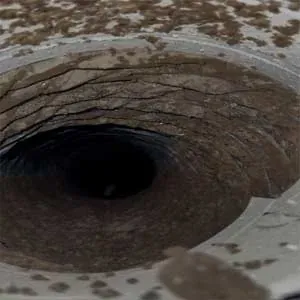
| Video camera in sample supply and return runs | Dust depth, debris, blockages, anything that shouldn't be there |
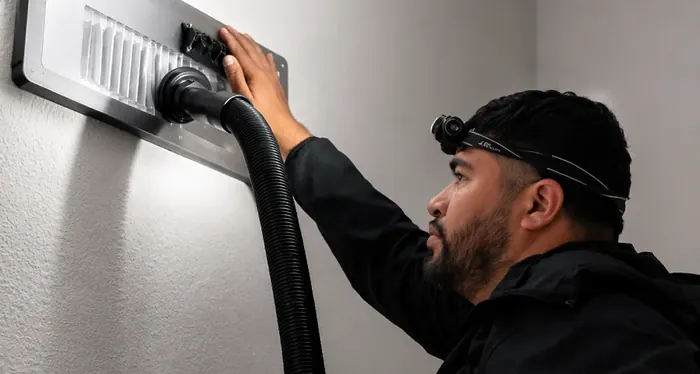
| Register boots and visible duct connections | Gaps, crushed flex near the boot, missing tape or mastic |
| Written assessment report | Findings and what we'd recommend, including "nothing right now" |
Regular price is $259. The inspection is $69, with no add-ons sprung on you during the visit. If the camera shows the ducts need cleaning and you book us, the $69 can be credited toward the cleaning.
What the camera usually shows in Dallas homes
| What we see on the screen | What it usually means | What we'd suggest |
|---|---|---|
| Light gray film on the duct walls | Normal use. Not much to worry about | Nothing yet. Keep changing filters |
| Thick dust you can see the camera drag through | Years of buildup, often never cleaned | Full duct cleaning |
| Drywall dust or chunks of insulation | Remodel debris or a torn duct | Cleaning, plus repair if the duct is damaged |
| Droppings, nesting material, chewed flex | Rodents in the attic got into the ducts | Close the entry point, then clean and replace damaged runs |
| Dark spotting near the coil or in the first few feet of supply | Moisture from the AC side | Find the moisture source, then decide on cleaning |
| A run that ends in open attic | Disconnected flex | Duct repair. Cleaning won't help that room |
Older Dallas homes with original sheet-metal ductwork tend to show heavier, packed buildup at the joints. Newer homes with flex duct tend to show debris collected at bends and sags where the flex was hung too loose.
Who should book an inspection first
The inspection is the right first step when you aren't sure what's going on. That includes:
- Buyers in the option period. Most general home inspections look at the equipment, not inside the ducts.
- Homes after a remodel. Sanding, demo and new drywall can fill the returns fast.
- A smell you can't place. Musty, dusty, or the unmistakable dead-animal smell in late summer.
- A big quote from someone else. If another company says you need a large job, see the inside before you pay for it.
- Allergy complaints with no obvious cause. The camera won't diagnose anything, but it shows whether the ducts are a likely contributor.
If dust is already blowing out of your vents, you probably don't need an inspection to know. Skip to air duct cleaning, since the crew looks inside with a camera before cleaning anyway.
How the inspection goes
- Arrival and quick talk. You tell us what's bothering you: dust, a smell, a room that's too hot, or just curiosity.
- Equipment check. We open the air handler cabinet where we can, check the filter fit, and look at the return plenum.
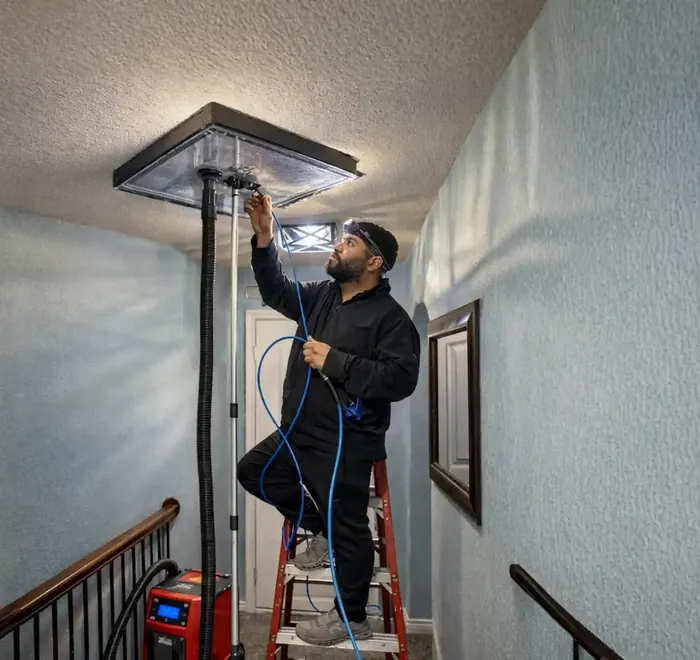
- Camera runs. We feed the camera into a sample of supply and return runs, including the ones near any problem rooms.
- Show and tell. You watch the screen with us. No hiding the footage and coming back with a number.
- Written report. What we found, where we found it, and our recommendation.
The whole visit is usually about an hour for a single-system home.
What an inspection isn't
We want to be clear about this, because some companies blur the lines.
A video duct inspection is not a lab mold test. The camera shows growth on surfaces, but only a lab can confirm what it is. If we see something suspicious, we'll point you to our page on mold in air ducts and talk through what makes sense.
It is also not a duct leakage test. Energy Star estimates that about 20 to 30 percent of the air moving through a typical duct system is lost to leaks, holes and poorly connected ducts. We'll flag disconnected runs and obvious gaps we see, but measuring total leakage takes pressure-testing equipment and is a separate job for an HVAC or energy contractor.
And it isn't a sales visit dressed up as an inspection. If the ducts are fine, the report says so.
Inspection after a storm, a roof leak, or critters
Spring storms in Dallas bring hail and wind-driven rain, and a roof leak above an attic air handler can soak flex duct insulation without anyone noticing until it smells. Wet duct insulation doesn't dry out well in a closed attic. If you've had a roof leak, a ceiling stain near a register, or a roofer working above the system, a camera look tells you whether water reached the ducts.
Same goes for rodents. Roof rats and mice get into Dallas attics in the fall when the weather turns, and chewed flex is a common find. Clean ducts don't matter much if the runs have holes in them.
Why we charge for inspections at all
Free inspections tend to end with a big quote. A paid inspection keeps the visit honest: you're paying for information, not for a pitch. That's also why the $69 can be credited toward a cleaning if you need one. You don't pay twice for the look inside.
Next steps after the report
If the report says the ducts are fine, keep changing filters and check again in a couple of years. If it shows buildup, the next step is whole-house duct cleaning. If it shows a dirty blower or coil, that's HVAC equipment cleaning. And if you want to understand the signs yourself first, read signs your air ducts need cleaning. Current offer details are on the pricing page.