What the standards bodies actually say
Most of what you read online says "every 3 to 5 years." That's a rule of thumb. Neither of the two groups that matter most puts a number on it.
The EPA's guidance, Should You Have the Air Ducts in Your Home Cleaned?, says the agency does not recommend routine duct cleaning, only cleaning as needed. Its reason is honest: the benefits are uncertain in most homes, and a light amount of household dust in ducts isn't known to be a health risk.
NADCA, the industry's trade group, says on its homeowner site Breathing Clean that ducts should be inspected at least once a year and cleaned as needed.
So both say the same thing in different words. Look first. Clean when there's something to clean.
A realistic schedule by situation
Here's how we'd think about timing for a typical Dallas home. These are starting points, not rules.
| Your situation | When to clean | Why |
|---|---|---|
| Typical home, no pets, filter changed on time | Every 3 to 5 years, or when an inspection shows buildup | Dust builds slowly when the filter is doing its job |
| Dogs or cats that shed | Every 2 to 3 years | Hair and dander mat up in the return side first |
| Someone in the house has allergies or asthma | Inspect yearly, clean when there's visible buildup | Worth keeping the return side and filter clean |
| Indoor smoker | Every 2 to 3 years | Smoke residue coats duct walls and holds odor |
| Just finished a remodel | Right after the dust stops | Drywall dust gets pulled into the returns |
| Buying or moving into a home | Before move-in | Unknown history, empty rooms, easy access |
| Rodent or insect problem | After pest control is finished | Droppings and nesting need to come out |
| Water leak or mold near the air handler | After the moisture source is fixed | Cleaning first just resets the clock |
| Rental turnover | Between tenants, if the inspection shows it | Last tenant's pets and habits stay in the ducts |
| New construction | Before you move in | Builders often leave sawdust and drywall debris in the runs |
Why Dallas systems get dirty faster
This isn't about Dallas being a dirty city. It's about how much air the system moves and where the ducts live.
The cooling season is long. The AC runs roughly March to November here. That's a lot of hours of air passing through the filter and the ducts every year.
The ducts are in the attic. Most Dallas slab homes put the air handler and ductwork in an attic that passes 130°F in summer. Any leak on the return side pulls in blown insulation and attic dust. Flex duct up there gets stepped on, sags and pulls loose.
Pollen comes in waves. Mountain cedar in winter, oak in spring. Spring storms bring wind and grit. All of it loads the filter faster.
Construction never really stops. Homes near the big highway projects and new builds see more fine dust on every windowsill. Some of it ends up in the returns.
A lot of the housing stock is older. The 1950s and 60s ranch homes in Northwest Dallas and Lake Highlands often still run on original attic ductwork, patched and re-taped over the decades. Older ducts leak more.
What changes the answer more than the calendar
The filter. This is the big one. A filter that's the wrong size, installed backward, or leaves a half-inch gap around the edge lets dust skip straight into the ducts. Check a standard 1-inch filter monthly during cooling season. Use the highest MERV rating your system's manufacturer recommends, not the highest one on the shelf.
Return leaks. A return plenum that's leaking into the attic will dirty a clean system in months. Sealing that is HVAC repair work, and it does more for dust than any cleaning schedule.
Housekeeping. Vacuuming with a HEPA vacuum and keeping the house closed up during high-pollen weeks helps more than people expect.
Moisture. A drain pan that holds water or a coil that sweats into the duct is a mold problem waiting to happen, no matter how recently the ducts were cleaned. That's covered under HVAC system cleaning.
Condos, apartments and rentals
Not every Dallas home has an attic system. A lot of the high-rise condos in Uptown run on fan coil units, a small air handler tucked in a closet or above a ceiling panel, with short duct runs to each room. Those short runs don't hold much, but the fan coil's coil and drain pan get grimy fast and can smell musty. Timing there depends more on the unit than the ducts. See our notes on duct cleaning in Uptown for what that looks like.
For rental owners, the easiest rule is to look between tenants. Our residential duct cleaning is the same job whether you live there or rent it out.
Air ducts, dryer vents and chimneys run on different clocks
People often lump these together. They're separate jobs with separate timing.
- Air ducts: as needed, typically years apart.
- Dryer vents: much more often. Lint builds every load. Failure to clean is the leading factor in home clothes dryer fires, per the US Fire Administration. Busy families should think yearly. See dryer vent cleaning in Dallas.
- Chimneys: NFPA 211 says chimneys, fireplaces and vents should be inspected at least once a year. Dallas fireplaces don't get used much, but an unused chimney can still hold creosote, nests and debris. See chimney sweep service.
Don't wait for the schedule if you see these
Some things mean "now," regardless of when the ducts were last cleaned:
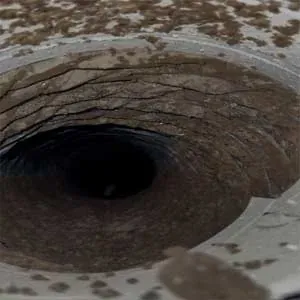
- Visible mold inside the ducts or on the air handler
- Droppings or nesting near the ductwork
- Dust actually blowing out of supply registers
- A musty smell that shows up every time the AC starts
- A remodel that ran with the HVAC on
The full list, with what each one usually means, is in our guide to signs your air ducts need cleaning. If you're not sure where you stand, the $69 video duct inspection gives you a straight answer and a written report. If the camera shows the system is fine, we'll say so.